
Typical industry challenges
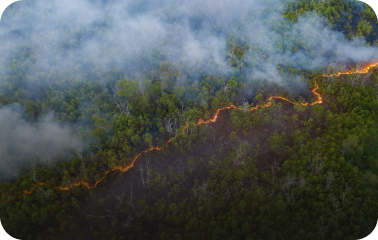
Dry, windy conditions accelerate wildfires, straining firefighting and air quality efforts
Sudden storms overwhelm responders with too little warning time
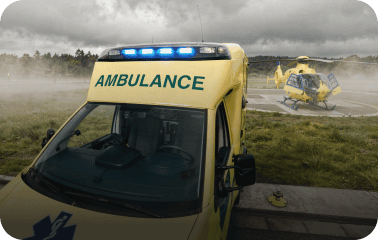
Low-visibility blizzards and fog hinder rescue missions and emergency navigation
Flood monitoring gaps cause delayed warnings, increasing civilian risks and infrastructure damage
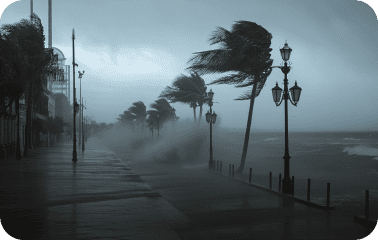
Hurricane risks require precise modeling for shelters and power outages
Extreme heatwaves trigger public health crises without accurate heat index and urban heat data
Flood & Storm Alerts
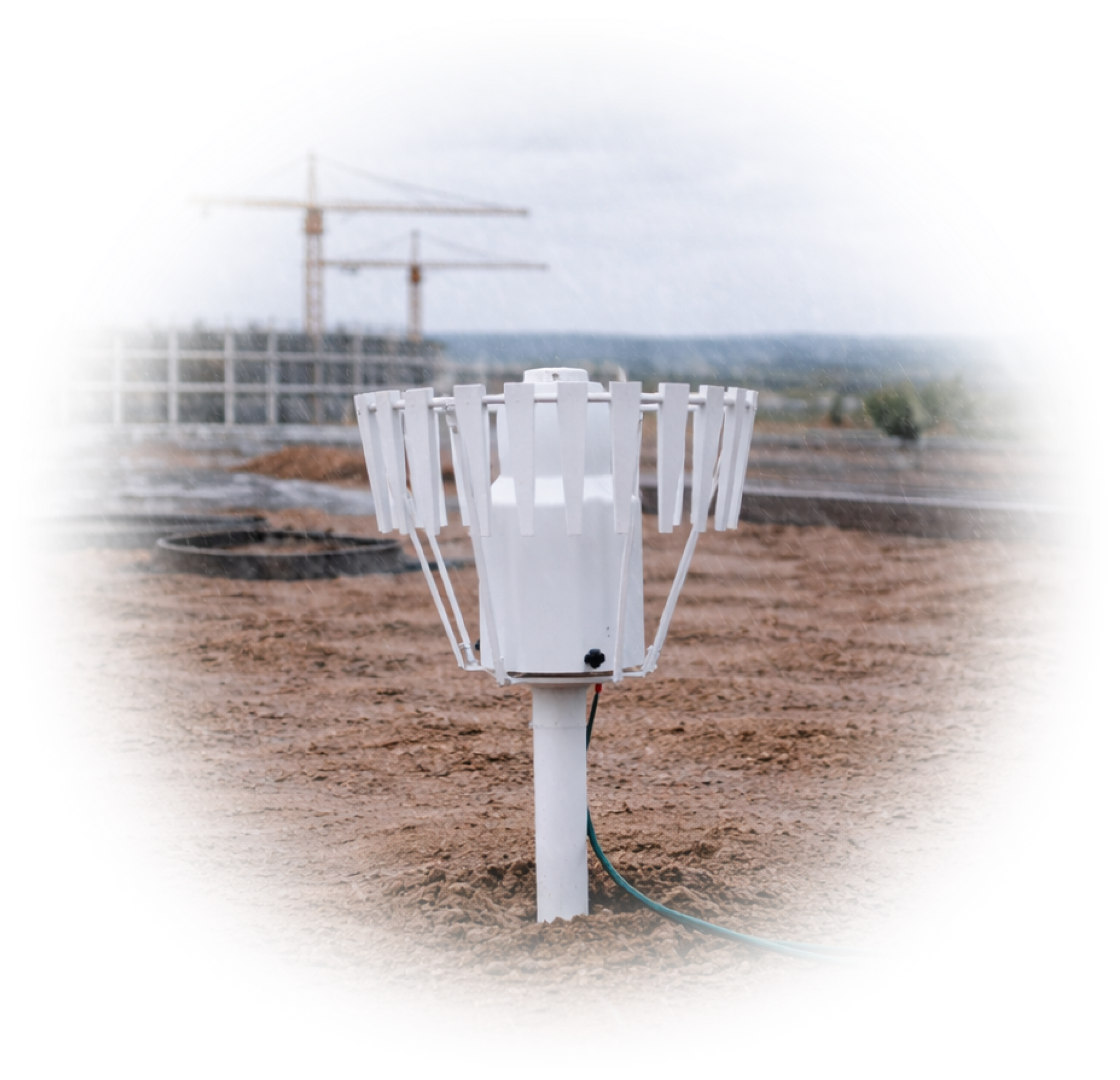
Hyper-local rain gauges and anemometers provide early flood and storm surge alerts for timely evacuations
Wildfire Weather Indices
Fire weather indices from wind, humidity, and temperature sensors guide wildfire containment strategies
Visibility & Lightning Safety
Real-time visibility and lightning detection enhance search-and-rescue safety and efficiency
Heat Stress Monitoring
Heat stress monitoring networks support public health advisories and cooling center activations
Hurricane Prediction Fusion
Integrated radar and satellite data fusion enables accurate hurricane path and intensity predictions
Reliable Emergency Data
Rugged stations ensure reliable data during blackouts, powering automated emergency notifications
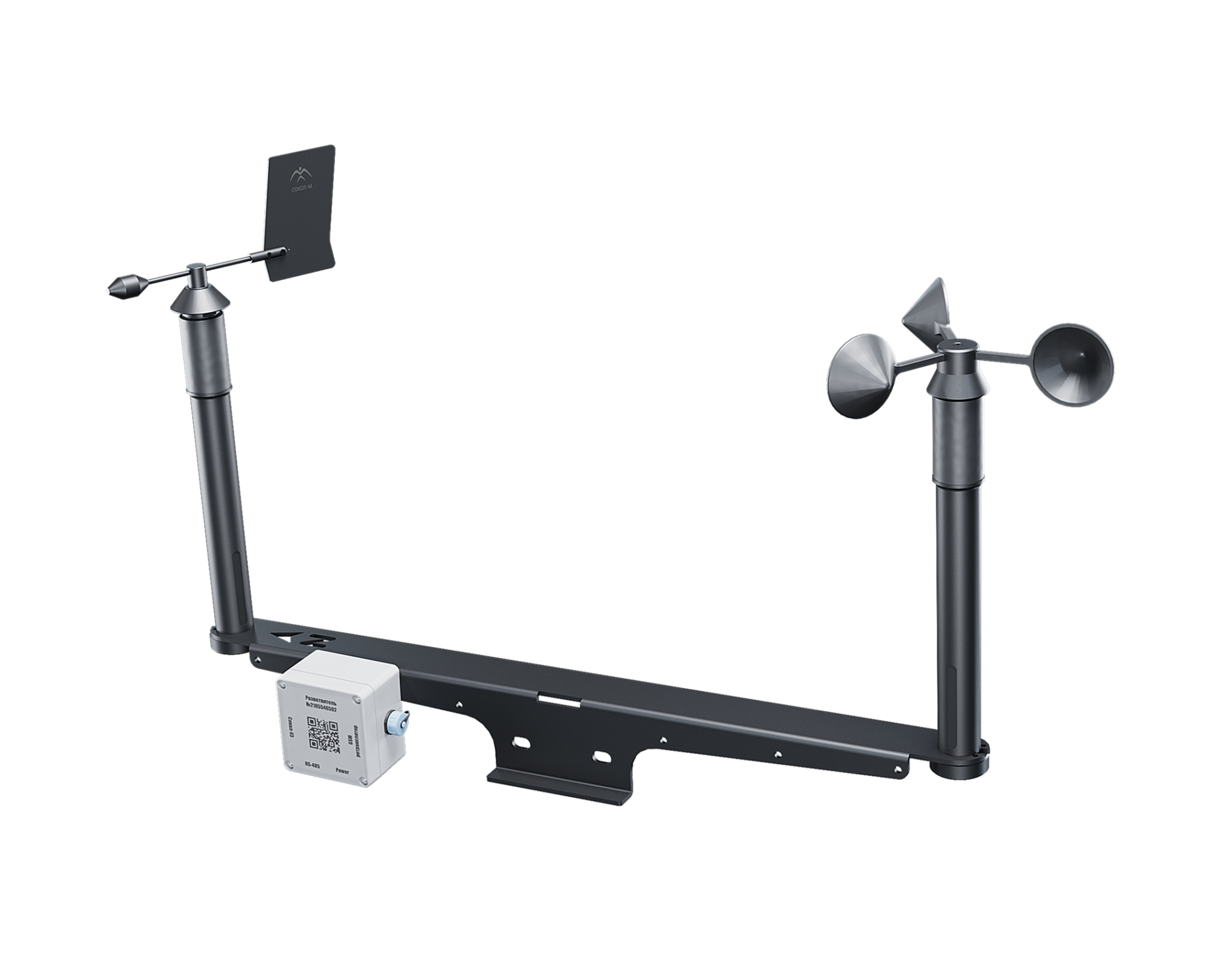
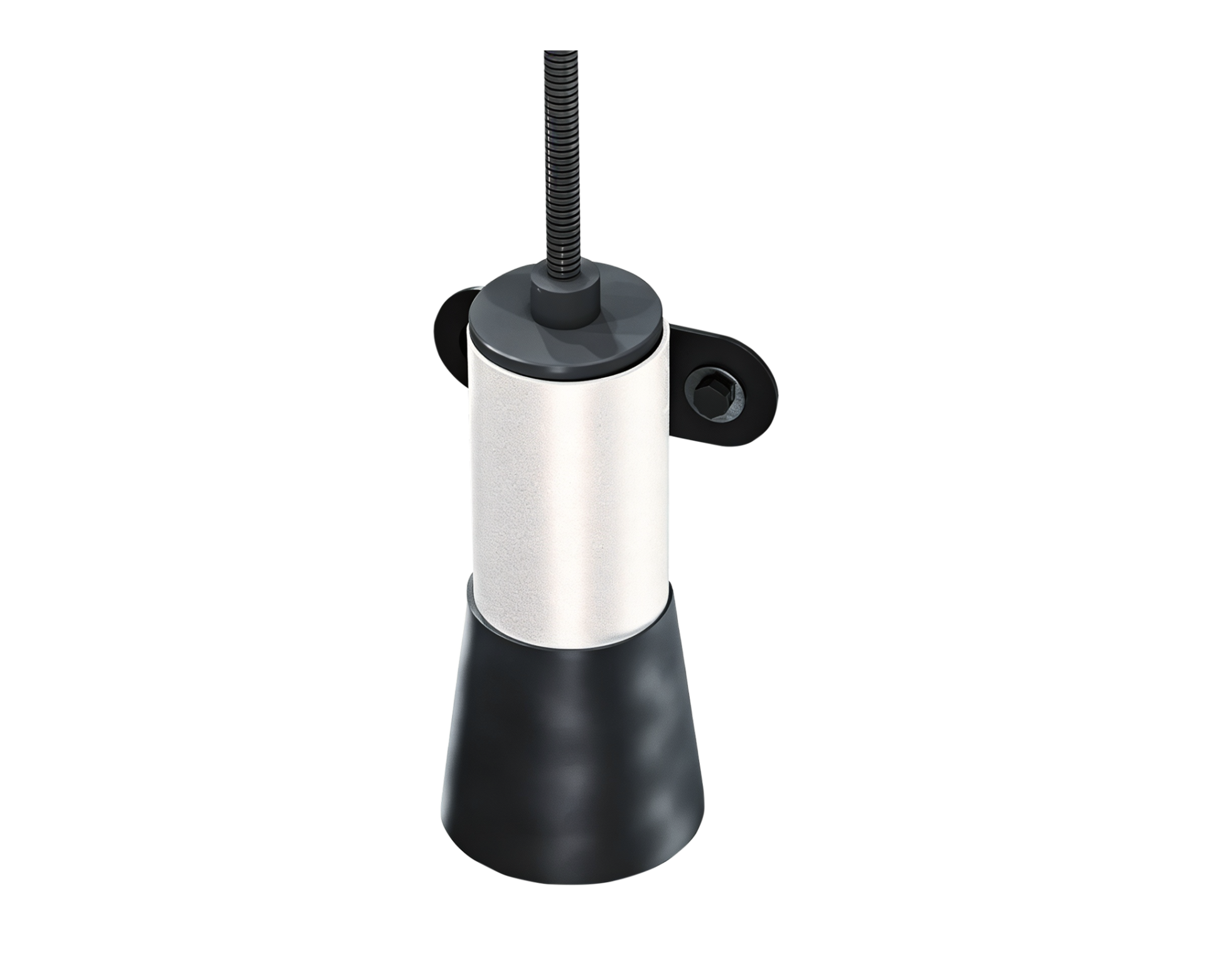
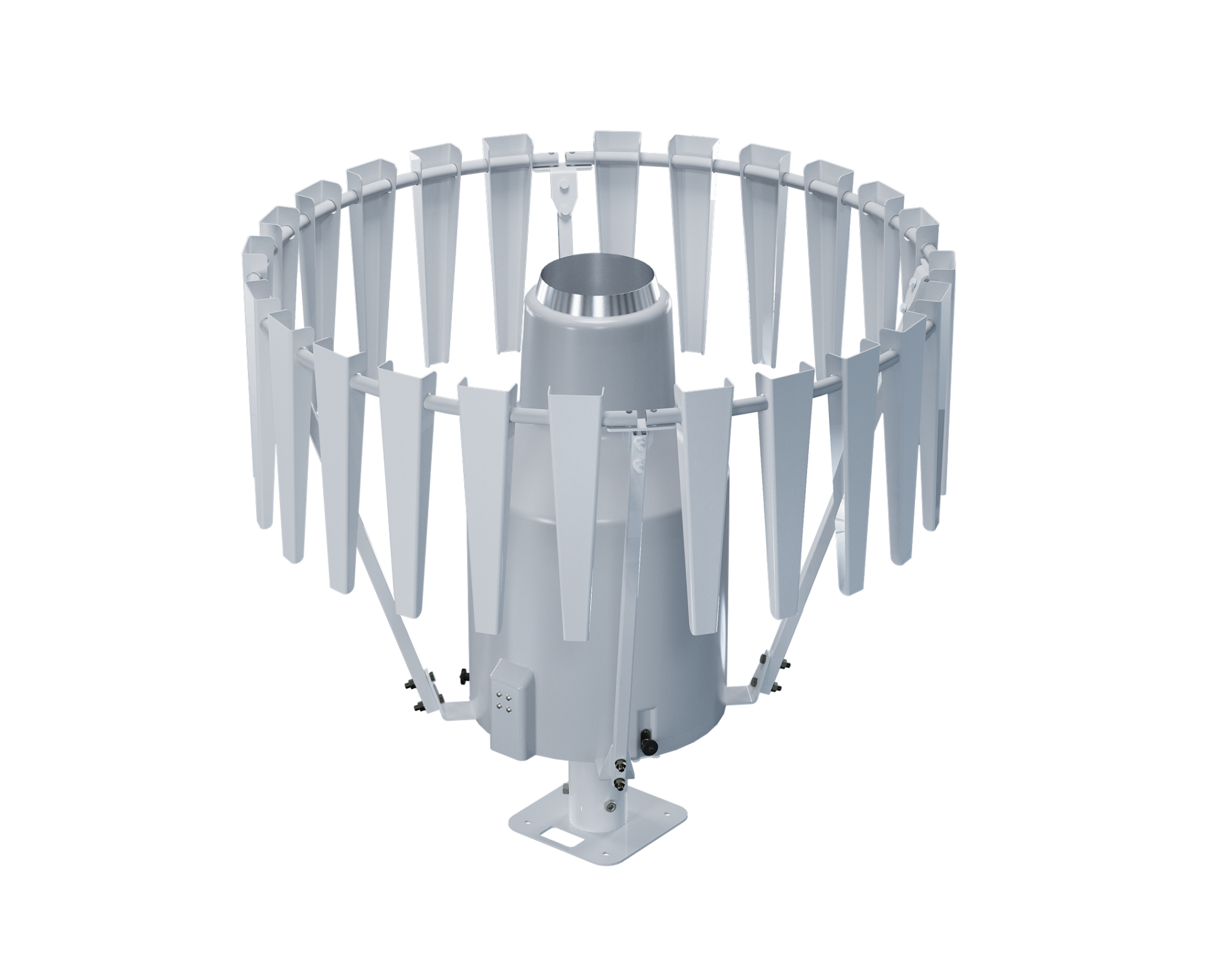
Equipment
See all Products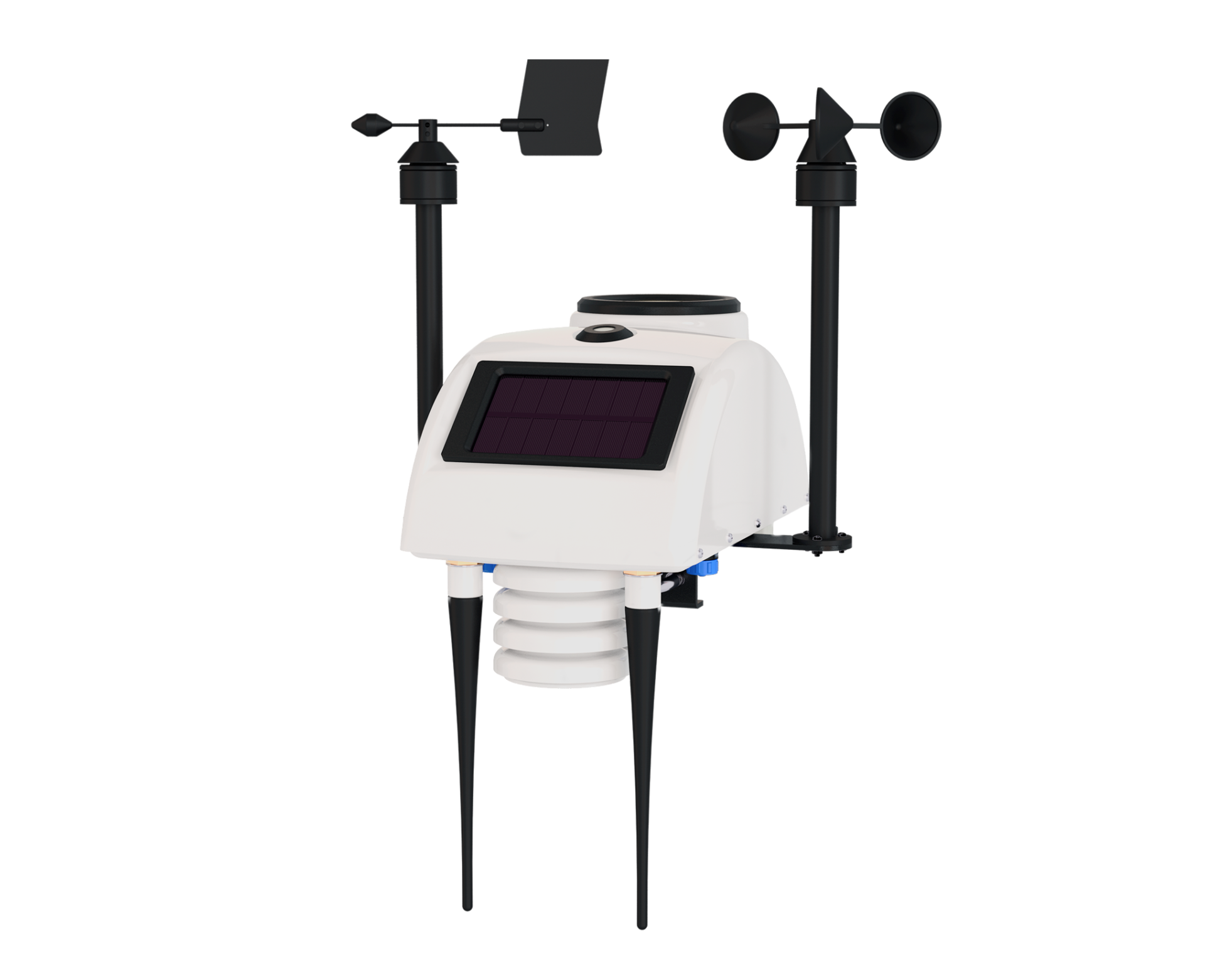
Impact indicators
faster emergency response times with real-time storm and flood warnings
reduction in wildfire damage through precise fire weather forecasting
fewer flood-related casualties via advanced early warning systems