The project was implemented by Neotecnik, a technology integrator specialising in fuel monitoring and fleet optimisation solutions in Argentina. With extensive experience in deploying fuel control systems for large transport and mining operations, Neotecnik was selected to develop fuel monitoring solutions for stationary storage tanks for several mining companies.
Customers
Transporte Colonia is an Argentine logistics company specialising in road cargo transportation for large-scale mining operations. The company provides transportation services to major mining and metallurgical enterprises and plays a key role in supporting their day-to-day operations.
Through Transporte Colonia, the fuel monitoring solution was implemented for several mining companies that rely on its transport services.
Mining Companies
Yamana Gold – a subsidiary of a major Canadian mining group, engaged in the production of copper, gold, silver, and molybdenum in Argentina;
Cerro Negro – a mining company founded in 1896, one of the pioneers in the industry and a leading producer of construction materials and mineral resources;
Estelar Resource – a large metallurgical and mining company involved in the extraction of minerals, including silver;
Equipment: implementation history
All companies have a common feature-a large number of vehicles on the balance sheet . The fleet of each company has more than 70 transport units. At the same time the headquarters of the firms are located far from the regions where the main
production activities are carried out, what complicates the control of fuel consumption and creates the ground for potential abuse.
The task set by the client companies
Once in a certain number of days a representative of the fuel supplier company comes and refuels the fuel station.
It was important for each of the customers to remotely monitor the level of fuel stored in the tanks and to do this
in real time. This is necessary in order to avoid losses associated with theft, as well as overuse during the purchase and refueling of fuel.
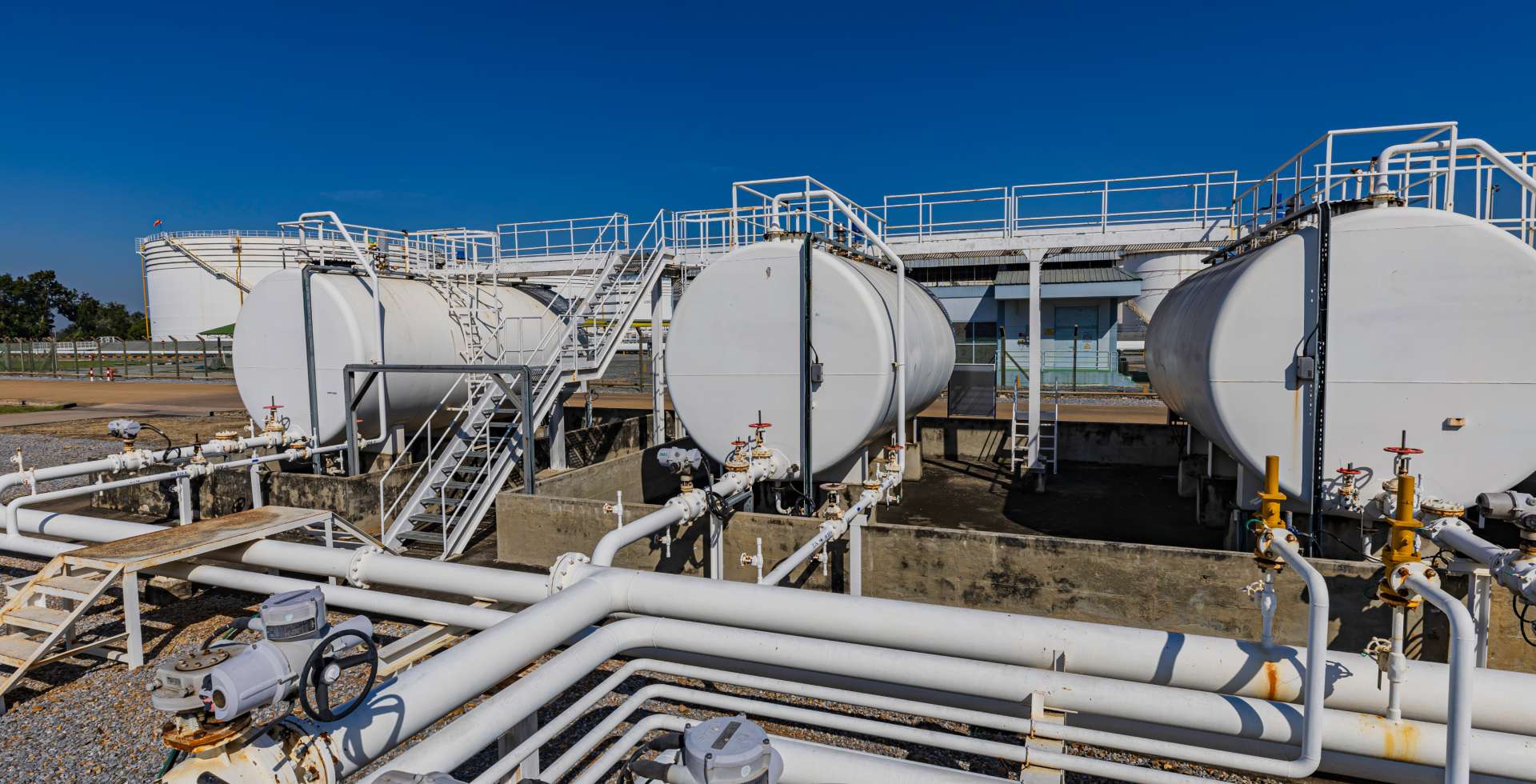
The enterprises use stationary fuel tanks (tanks with a volume of 30-50 thousand litres), so the sensors were selected for this type of tanks. The work was carried out at different times. The analysis of financial results was implemented over a certain period of time.
For reference: the price of fuel in Argentina, June 2021 – 0.94 USD/litre (in rubles 69,26 rubles)
The proposed solution
Initially, to solve the task of fuel control the integrator used three-metre TD-600 fuel level sensors (FLS) that meet all the necessary requirements and have an RS-232 connection interface (this interface is used abroad including Latin American countries).
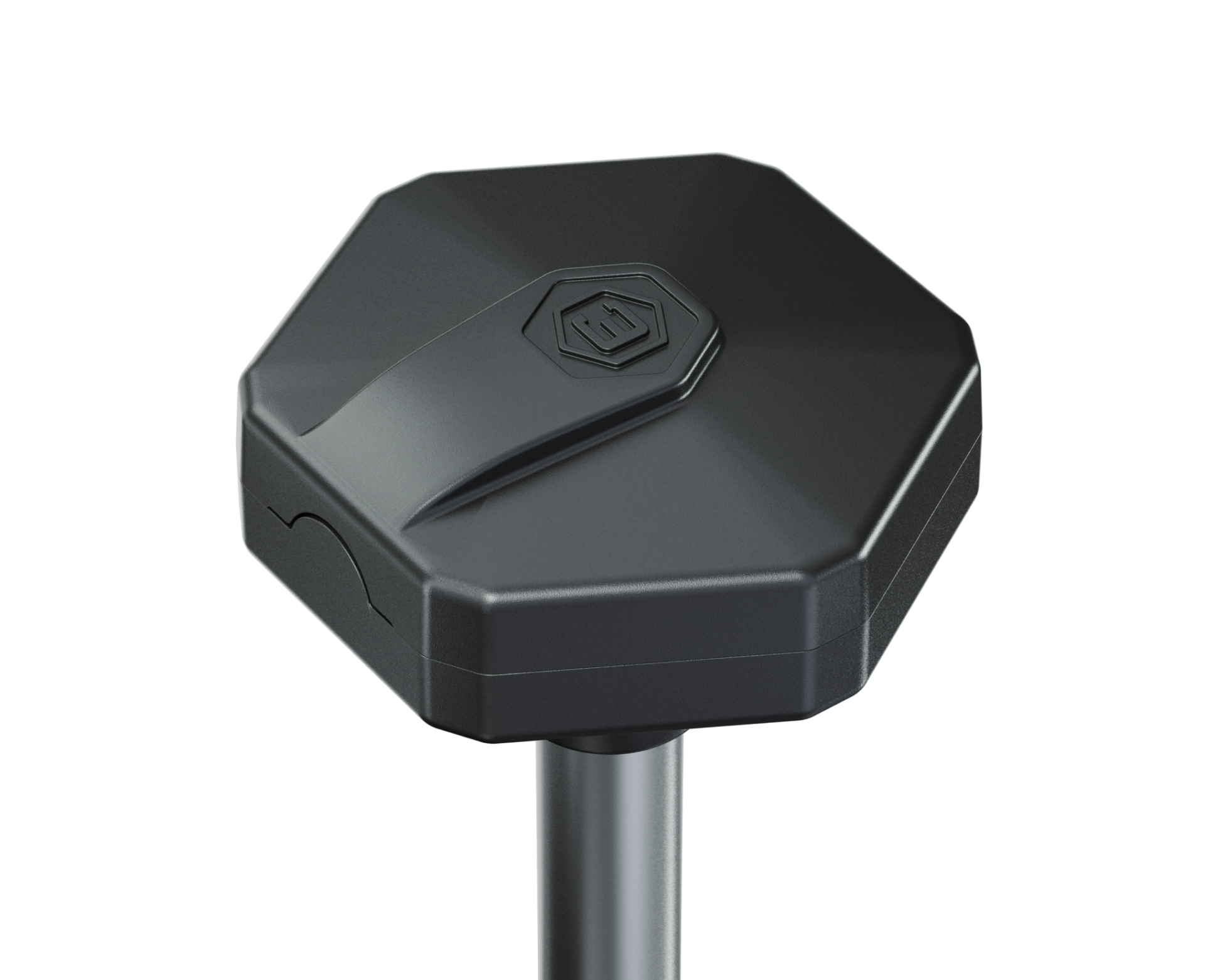
Then, when the TD-BLE wireless FLS appeared on the market, the integrator gave its preference in favor of this sensor , the installation of which significantly saves time. Also to transfer data to the sensor, due to the lack of Bluetooth connectivity, a BLE-base was required.
For the successful functioning of the fuel monitoring system the following chain was built: Escort TD-BLE fuel level sensor + Escort BA-BLE adapter + the manufacturer’s adapter (since the controller has neither a Bluetooth interface nor a 485 interface) + the controller.
Since the sensor is wireless and there is no need for laying cables, this allowed the integrator to significantly reduce the time and cost of installation: at such facilities while using a wired sensor, according to local safety standards, it was necessary to use only a special explosion-proof cable channel.
Escort TD-BLE sensors
Measurements are carried out every 10 seconds, data is transmitted every 3 seconds;
They can be located at a distance of 100 metres from the receiver, which is very convenient for enterprises with a large territory and an appropriate organization of the production process;
Transmit data to different types of devices with Bluetooth, including smartphones, it is also possible to configure sensors through a special mobile application Escort Sensor Configurator;
They work from a battery, the charge of which lasts on average up to 7 years of active work;
Quickly installed – one hour is enough for installation;
The sensor can even detect micro-drains, it reacts to any actions with fuel;
For 3 years the integrator has sold and installed to its customers more than 40 gas stations/tanks. One sensor was installed on each container.
Software
The integrator implemented a special solution – a local program that displays the fuel level according to the receipt from the fuel supplier company and the fuel level that the sensor shows.
The program compares the data from the receipt with the data that the sensor shows.
The software screen displays data such as the amount of fuel in the tank, how much it was refueled, who, when on which car did the refueling , who started the system that authorizes the fuel. Each employee has his or her own RFID key that allows / prohibits the unloading of fuel.
Financial results
In all companies there is resistance from the personnel responsible for fuel consumption, since they will no longer have the opportunity to drain fuel – the installation of sensors eliminates any attempts to drain fuel and falsify data.
In all cases the reduction in fuel consumption compared to the same previous periods is 20%.
If before that, on average, the company spent up to 110 thousand litres of fuel per month, then with the introduction of a system that allows preventing both common mistakes and overuse, the consumption was gradually reduced to 85-90 thousand litres per month .
At the same time, the cost of installing equipment per unit for
each client was $ 1200. There is no need to pay a subscription fee. Therefore, only one-time costs for the purchase and installation of equipment on a monthly basis are considered. The savings are about 20-30 thousand dollars monthly (based on the average fuel prices in Argentina). With a monthly saving of $ 23 500, the system paid off in less than a month.
Solicitar una decisión