
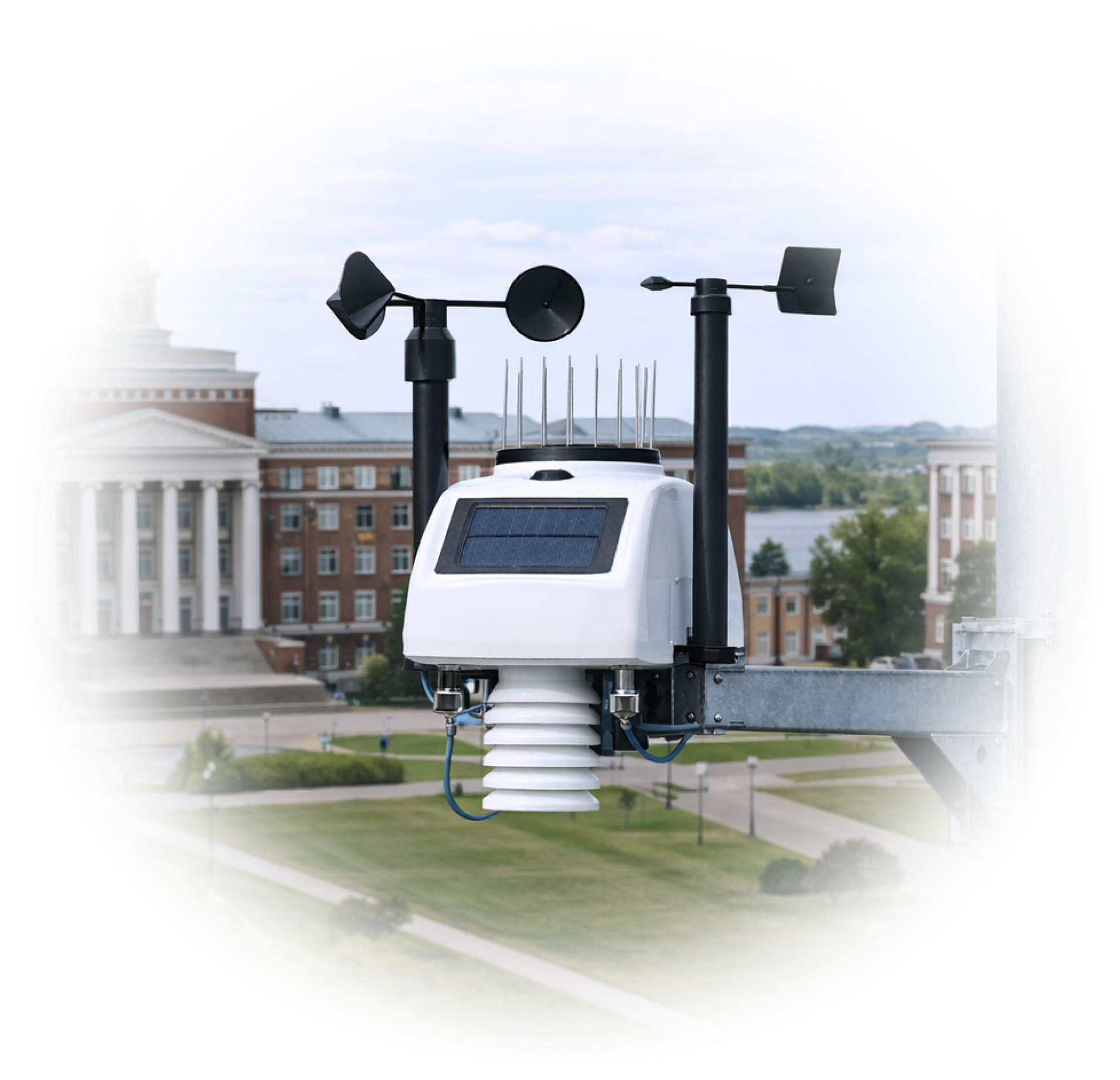
Typical Industry Challenges
Remote sensing instruments degrade in harsh climates without continuous environmental monitoring

Balloon launches and drone flights cancel due to turbulence, icing, or poor visibility.
Atmospheric research stations suffer data gaps during extreme weather or power outages.

Educational outdoor labs get disrupted by unpredictable conditions, limiting hands-on sessions
Long-term ecological studies lose accuracy from unmonitored microclimate changes.

Uncontrolled weather shifts disrupt field experiments
Real-Time Weather Sensing
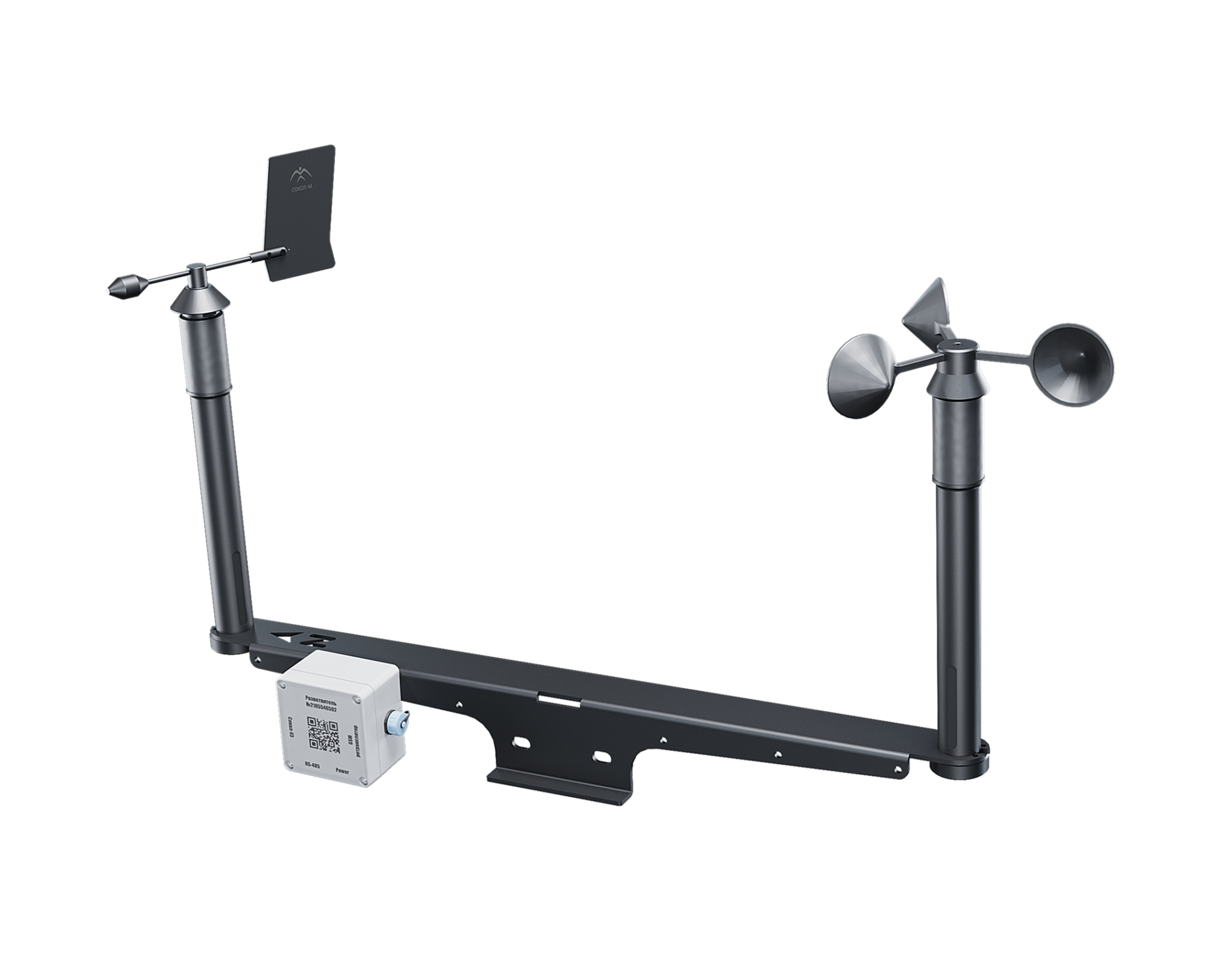
Hyper-local sensors capture real-time wind, precipitation, and temperature for experiment repeatability
Reliable Remote Stations
Rugged, low-power stations ensure uninterrupted data collection in remote research sites
Automated Weather Logging
Automated weather logging supports data validation and publication-ready environmental records.
Classroom Monitoring Tools
Classroom-integrated monitoring enables safe, interactive weather education modules
Turbulence & Visibility Sensors
Turbulence and visibility sensors optimize drone and balloon operations for atmospheric studies
Microclimate Tracking Network
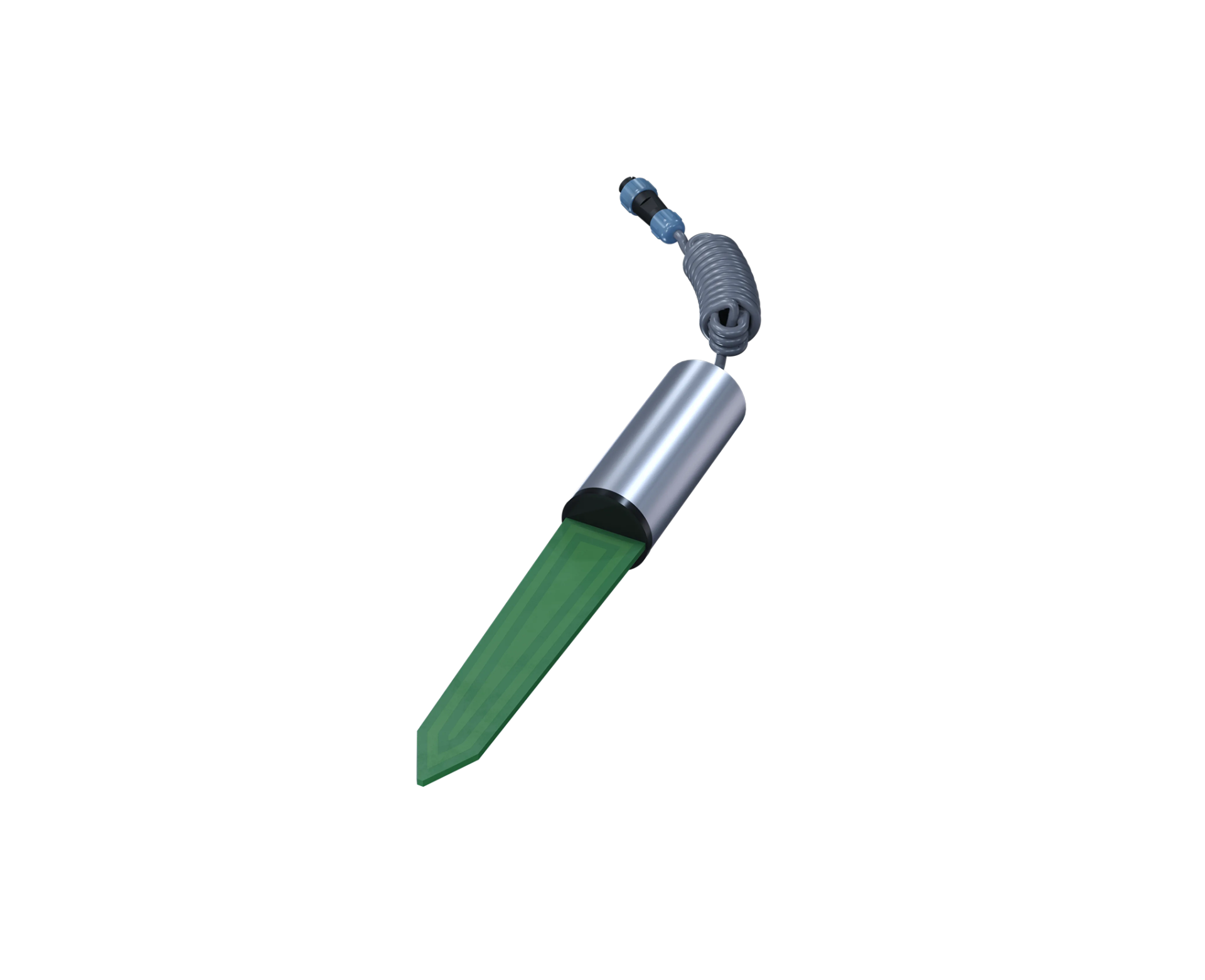
Microclimate networks track subtle changes for accurate ecological and climate research
Equipment
See all Products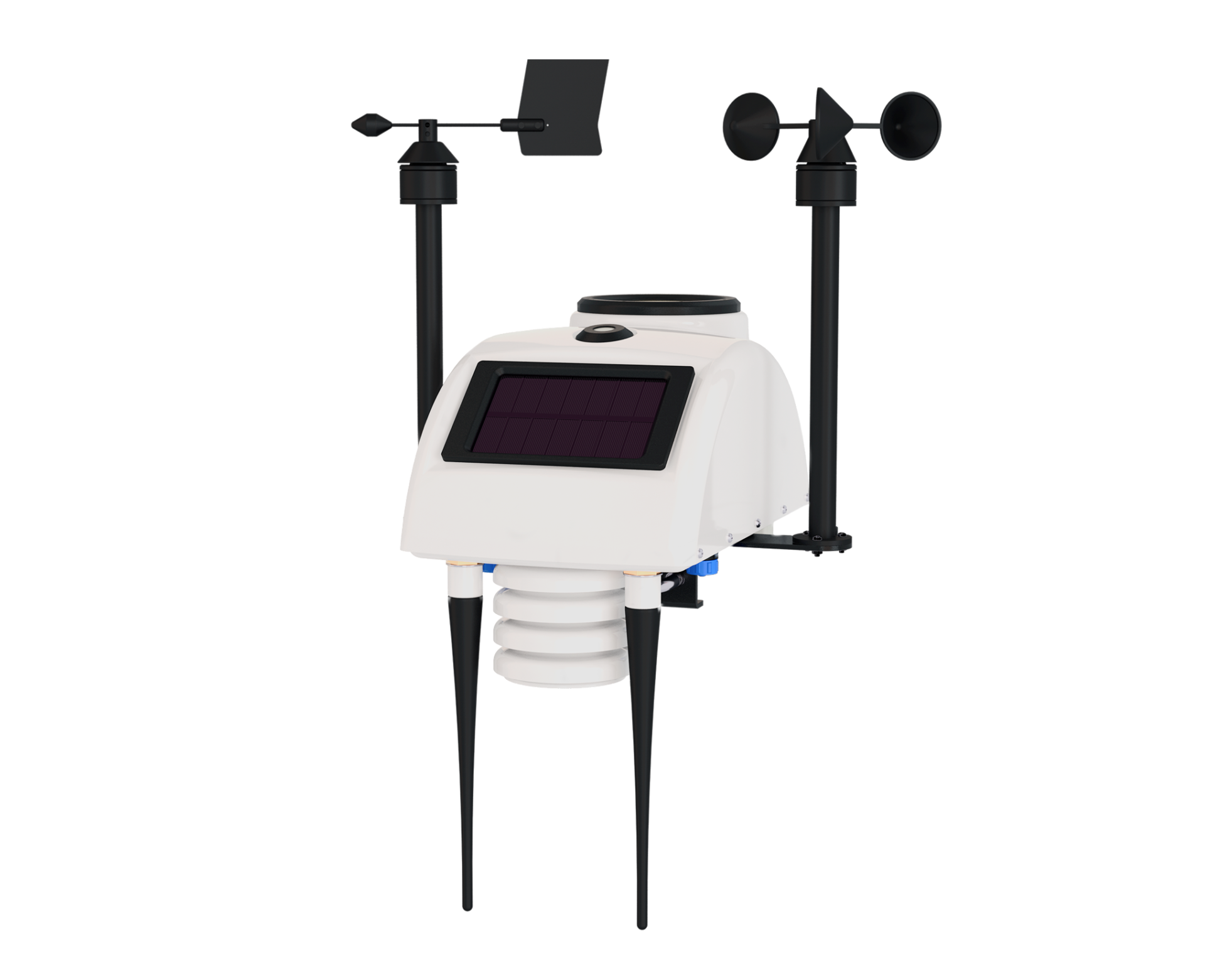
Impact Indicators
fewer experiment disruptions from precise weather variable control
higher data reliability in remote field stations
increase in successful drone and balloon research missions
Enhanced educational outcomes with more hands-on weather learning sessions